

Gas Line Repair Considerations
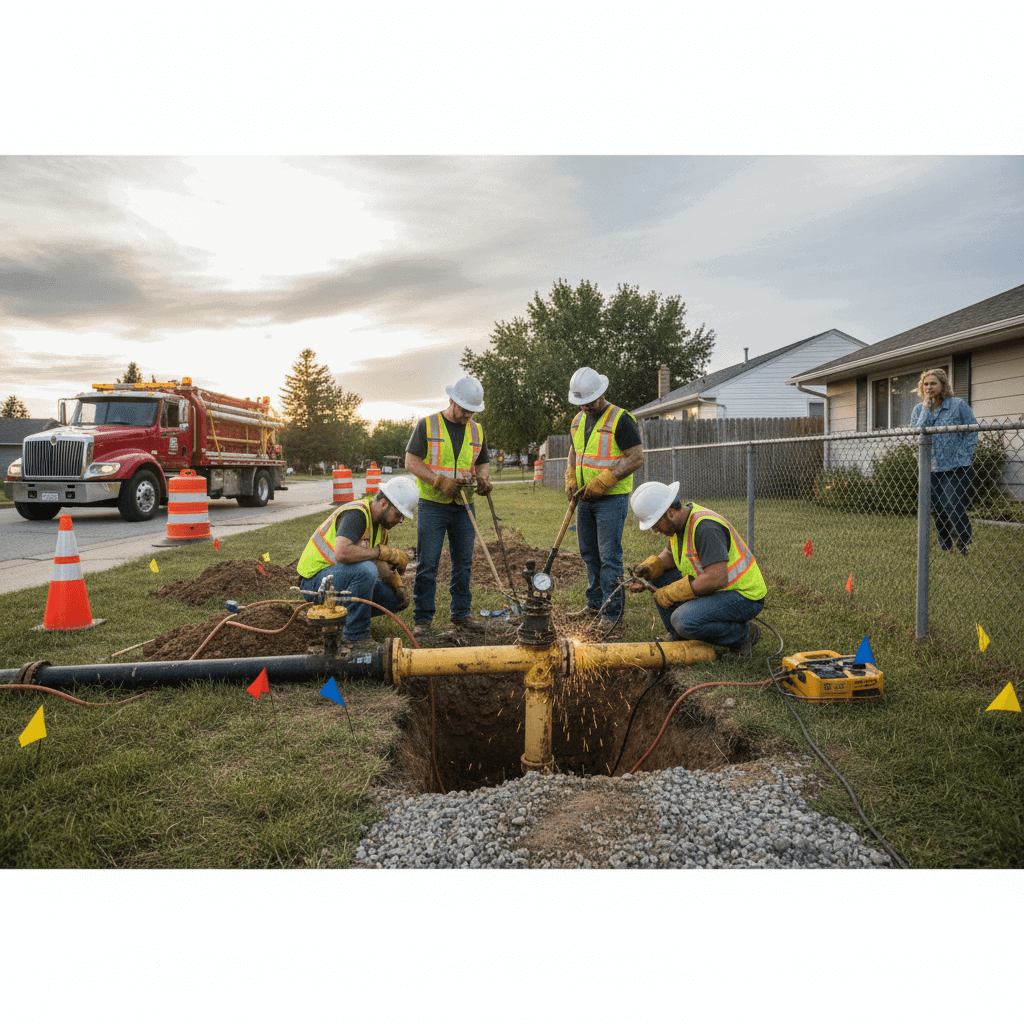
When a gas line shows trouble, homeowners often feel worried and rushed. Gas systems carry flammable fuel through pressurized pipes, so small problems can turn into serious dangers fast if ignored. This guide helps spot warning signs, plan safe actions, and talk clearly with repair experts. Knowing these tips can protect homes and prevent disasters, making it a must-read for anyone with gas lines. Keep reading to discover how to stay safe and act smart before things get out of hand.
You will find real world tips about inspection timing common symptoms safety steps materials and cost factors. The aim is to give clarity so you can act with confidence whether you are scheduling a routine check or responding to an unexpected leak.
Why early inspection matters for gas systems
Early detection limits risk and reduces repair complexity. Small leaks often start where pipes connect or where exterior corrosion has begun. Left unattended a minor slow leak can lead to larger failures or require replacement of longer pipe runs. Inspecting vulnerable areas each year lowers the chance that a small problem turns into an emergency.
Examples of routine checks include visual assessment of accessible pipes outdoor fittings and appliance connectors. Gas meters and regulator housings should also be checked for rust or damage. If an inspection finds soft tubing cracked connectors or signs of previous repairs that are not up to code it is wise to move from observation to scheduled work.
Common signs of a failing gas line
Recognizing early warning signs helps you respond before an incident. Some indicators are obvious and some are subtle.
- Smell of rotten eggs or sulfur in the air. That scent is a safety marker added to natural gas for leak detection.
- Hissing sounds near fittings or meters when appliances are off.
- Dead or dying vegetation over buried lines. A gas leak can reduce oxygen available to plant roots.
- Physical damage after digging near pipes or following severe weather events.
- Unusual pilot light behavior such as frequent outages or yellow flames on appliances meant to burn blue.
If you notice any of these signs follow safety protocols and call a certified service provider without delay.
Safety protocols to follow before work begins
Safety is the primary concern when dealing with gas. A calm methodical approach reduces hazard. Before any repair or diagnostic work consider these steps.
Immediate actions for suspected leaks
Evacuate people and pets from the immediate area if you detect a strong odor or hear a clear hissing sound. Do not operate electrical switches or use phones inside the structure. From a safe distance shut off the main gas valve if it is accessible and you are comfortable doing so. Notify your utility company and contact emergency services when required.
Worksite preparations for professionals
Professionals will want the area cleared and good access to the service line and meter. Provide any history you have such as previous repairs locations of landscaping changes or recent digging. Clear pathways make diagnosis faster and reduce time on site which often lowers labor costs.
Materials methods commonly used in pipe repair
Understanding the options helps you ask focused questions and evaluate estimates. Material choice depends on where the line runs its function and local code requirements.
Pipe materials you might encounter
- Black steel is commonly used for interior gas lines and remains in many older homes.
- Corrugated stainless steel tubing is popular for flexible connectors to appliances.
- Polyethylene pipe is often used for underground service lateral lines because it resists corrosion and is simple to fuse for leak free joints.
- Brass fittings appear on some meter connections or appliance connectors but are less common in long runs.
Repair techniques and when each applies
Techniques range from spot repairs to full section replacements. A clamp or sleeve repair can be appropriate for a localized hole on an accessible steel pipe but may be a temporary measure on older systems. When corrosion affects multiple joints or the pipe wall is thin a full replacement of the affected section is the safer long term solution. For buried polyethylene pipes technicians commonly use butt fusion or electrofusion to create permanent joints.
Regulatory codes often dictate acceptable materials and methods so a professional should reference local rules before proceeding. If you live in a region with cold winters also ask about protections against frost heave and pipe movement.
Cost factors and budgeting for gas line projects
Costs vary with labor rates permit fees material type and project complexity. Here are typical components that influence the final price.
- Access difficulty such as excavation required to reach buried lines.
- Material selection with steel parts often costing less per foot than stainless or specialized polyethylene.
- Need for appliance reconnection testing and code compliance inspections.
- Emergency call out fees for after hours service.
- Permit and inspection fees levied by local authorities.
As a rough example simple connector replacement might be handled in under an hour with modest cost. Replacing a buried service line from meter to house typically takes more time heavy equipment and a permit and therefore costs substantially more. Ask for itemized estimates and request a timeline so you can compare quotes on an apples to apples basis.
How to choose a qualified service provider
Finding the right contractor reduces risk and helps the project finish on time. Look for clear licensing insurance and local code knowledge. Confirm the company performs pressure testing and leak detection after the work is complete and that they provide documentation of tests and permits when required.
Read reviews and ask for references especially for work involving buried lines. A firm that documents past projects and shows before and after photos offers practical reassurance. For convenience and speed consider a provider with local presence and emergency availability in your area. For example local firms that specialize in residential service may respond more quickly to a daytime leak than a larger general construction company. If you need assistance with immediate issues you can contact a provider that handles meter to appliance service and post work testing like this gas line repair link to review their service options.
Preventive steps property owners can take
Regular observation and small maintenance tasks reduce the likelihood of surprises. Mark buried lines before digging using utility notification services and hand dig near known lines. Keep vegetation trimmed around meter and regulator areas and clear snow if winters are heavy. Schedule periodic inspections especially after ground shifts heavy rains or construction work nearby.
Record keeping helps with future decisions. Keep a simple file with dates of inspections repairs permits and photos. If you plan landscaping changes or a new fence obtain locate services first and involve the gas company when work could affect the service line.
What to expect during a standard repair visit
A structured visit keeps time and cost predictable. Typical steps include an initial visual inspection pressure testing to find the leak location and an estimate for repair. Once you approve work the technician isolates the line shuts off gas to the affected section and performs the repair followed by a pressure test and appliance re lighting or adjustment as needed.
After completion request documentation that shows the test pressures used and confirmation that the line passed inspection. If there was excavation ask for a scope of backfill and compaction work and whether final restoration of the surface is part of the job or will require separate arrangements.
Maintenance reminders are useful. Schedule a follow up inspection if the repair included temporary components or if the property has older piping that may need phased replacement. Billing records and permit copies are important if you sell the property later as buyers and inspectors will want proof of proper repairs.
Making the right choices about inspection timing materials and the service provider protects family safety and the value of your home. Start with a careful observation and a clear set of questions for any contractor. Compare multiple itemized estimates ask about local code compliance and confirm testing procedures for leaks before you sign an agreement. If you spot signs of a problem act quickly and keep people away from the area until a professional evaluates the situation. For urgent concerns contact your gas utility first in addition to a licensed contractor.
When you need help now or want a thorough planned check set up an inspection and ask for a written plan and estimate. Taking these steps saves cost on avoidable repairs lowers risk and provides clarity about long term needs. Call a local licensed company to arrange a safety inspection and get a clear written plan for any required work.