

Combat Rural Fire Dangers with Suppression Skid Units
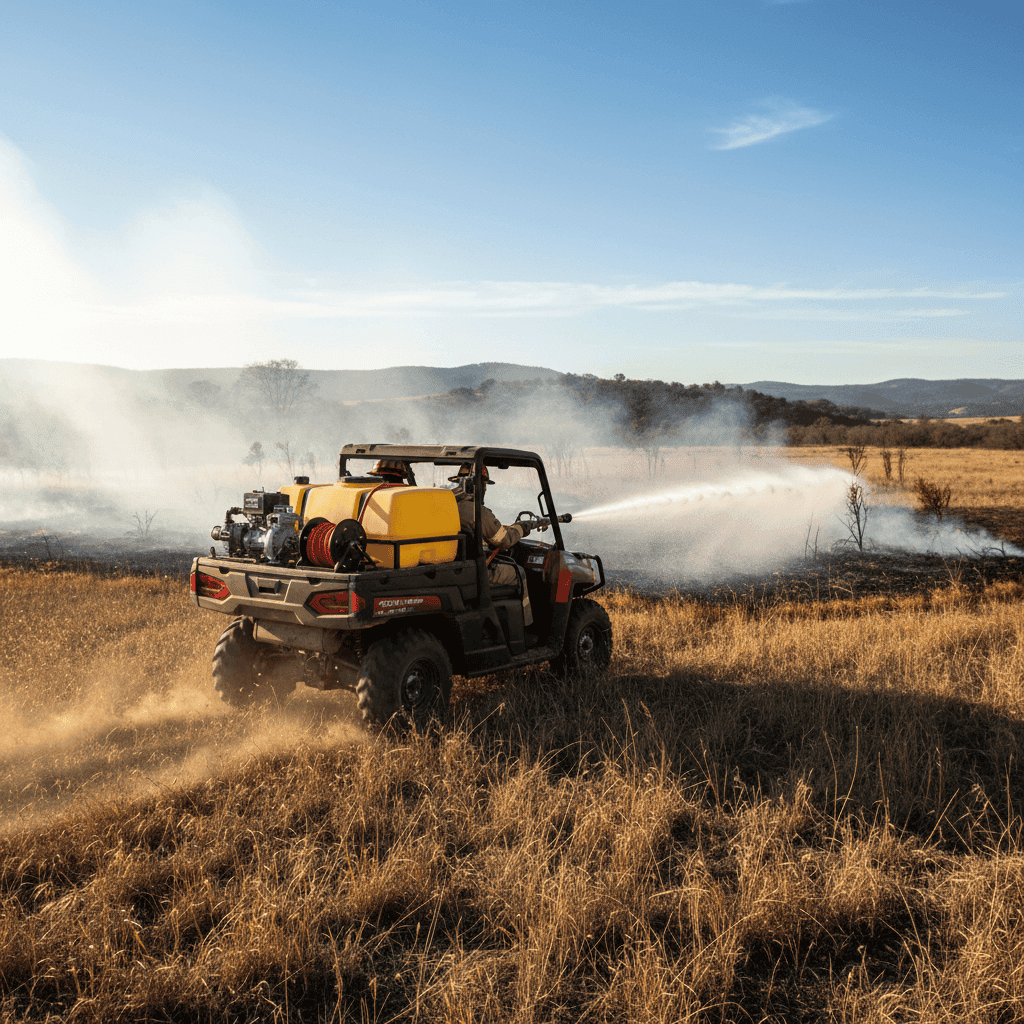
The beauty of rural living often comes with an inherent set of challenges. One of the most serious dangers facing remote properties and fleets is the constant threat of fire. Wildfires can spread with terrifying speed and devastating force across vast open spaces and wooded areas. Because of this, I believe it is essential to equip ourselves with the right tools to combat these dangers effectively.
Living further away from municipal fire departments means response times can be significantly longer. Every minute counts when a small spark threatens to become an uncontrollable blaze. Having immediate access to fire suppression equipment on your property or with your fleet can make all the difference between minor damage and catastrophic loss.
Today, I want to talk about how fire suppression skid units offer a powerful, adaptable solution for protecting rural assets. These compact, self-contained systems provide the crucial capability to fight fires on your own terms. We will explore their benefits, components, and how they can be a lifesaver in emergency situations.
Understanding the Growing Threat of Rural Fires
Rural areas face a unique and increasing fire risk. Dry conditions, dense vegetation, and the changing climate all contribute to a heightened danger. We see more severe fire seasons year after year, and these fires pose a direct threat to homes, farms, and natural resources.
The nature of rural landscapes means that fires can ignite quickly and spread rapidly. Often, these areas are not connected to public water sources like fire hydrants, making conventional firefighting difficult. Limited road access also slows down large fire trucks. This combination of factors puts rural properties in a vulnerable position.
I have seen firsthand how quickly a small fire can become a raging inferno in these environments. Preparing for these events is not just a recommendation, it is a necessity for anyone living or working in remote settings.
Climate and Environmental Factors Increasing Risk
Extended droughts dry out vegetation, turning fields and forests into tinderboxes. High winds then fan these small fires, pushing them across vast distances in a short time. This creates unpredictable fire behavior, making containment even harder for firefighters.
Many rural properties are surrounded by brush and trees, which act as fuel. This means homes and outbuildings are directly exposed to the path of a fire. The natural environment, while beautiful, also contributes to the heightened risk.
Infrastructure Challenges in Remote Areas
Access to reliable water sources is a major hurdle in rural firefighting. Fire hydrants are rare or nonexistent in many remote locations. This forces fire crews to transport water over long distances, which wastes critical time.
Rough terrain and narrow roads present further obstacles. Standard fire engines are often too large to navigate through winding paths or steep hills. This limits their ability to reach the fire front quickly, giving the flames more time to grow.
What Are Suppression Skid Units?
Suppression skid units are compact, self-contained firefighting systems designed for rapid deployment. They consist of a water tank, a powerful pump, a hose reel, and often a dedicated engine to power the pump. These units are built to be mounted on a variety of vehicles like pickup trucks, utility vehicles, or trailers.
Their design allows for significant flexibility. You can quickly transport a skid unit to the site of a fire, providing immediate water delivery where it is needed most. This immediate response capability is what makes them invaluable, especially in areas where professional fire services might be delayed.
We see these units as versatile tools for both emergency response and general property maintenance. They are not just for fighting active fires but also for proactive prevention and other water-related tasks.
Key Components of a Skid Unit
A typical skid unit includes a durable poly or aluminum water tank, which can hold anywhere from 50 to over 500 gallons. The pump, often gasoline-powered, draws water from the tank and pushes it through the hose at high pressure. This strong stream allows operators to tackle flames from a safe distance.
The hose reel makes deployment and retraction quick and easy, saving precious time. Many units also include various nozzle types, allowing for different spray patterns depending on the fire’s nature. These components work together to form a highly effective portable firefighting system.
Portability and Versatility
The genius of a skid unit lies in its portability. I can place one in the bed of my pickup truck or on a utility vehicle, transforming an ordinary vehicle into a mobile fire fighting machine. This means you can take fire suppression capabilities directly to where the danger is, even in off-road or hard-to-reach spots.
Their versatility extends to the types of fires they can handle. From grass fires to small structure fires, a well-equipped skid unit offers a robust first line of defense. The ability to adapt to different situations makes them an indispensable asset for property owners and rural emergency crews.
Many landowners and fleet managers are turning to compact rural fire suppression skids as a smart investment. These units provide peace of mind and practical capability for many scenarios.
Immediate Response is Critical for Rural Properties
When fire breaks out in a rural setting, time is truly of the essence. A small brush fire can turn into a raging wildfire in minutes, especially with dry conditions and strong winds. The distance from populated areas means that traditional fire department response times can be significantly longer compared to urban settings.
This is where a suppression skid unit becomes a lifesaver. Having a unit on hand allows for an immediate initial attack, potentially containing the fire before it escalates. I cannot stress enough how much difference those first few minutes make in preventing widespread destruction.
Protecting your property and livelihood means being ready to act decisively at a moment’s notice. Skid units empower individuals and smaller crews to do just that.
Bridging the Response Time Gap
In many rural communities, emergency services are volunteer-based or stationed far away. This often means a delay of 15 minutes or more before a fire truck arrives on scene. During this critical window, a small fire can double or triple in size, becoming much harder to control.
A skid unit allows you to launch an initial attack, spraying water directly onto the flames as soon as they are spotted. This proactive approach can knock down small fires or slow their spread. This buys valuable time for professional firefighters to arrive and take over.
Protecting Assets and Livelihoods
For rural property owners, a fire can jeopardize everything. Homes, barns, agricultural equipment, livestock, and crops are all at risk. The economic and emotional toll of a large fire is immense.
By using a suppression skid unit, you are not just fighting a fire. You are actively protecting your investments and ensuring the continuity of your operations. This investment in fire readiness safeguards your family and your business from devastating losses.
Choosing the Right Suppression Skid Unit for Your Needs
Selecting the ideal fire suppression skid unit involves careful consideration of several factors. Your property size, available water sources, the type of vehicle you plan to use, and your budget all play a role. It is not a one-size-fits-all solution, so understanding your specific requirements is key.
I advise looking at the gallon capacity of the tank. Smaller units, like those for UTVs, might carry 50-100 gallons. Larger units designed for pickup truck beds can hold several hundred gallons. The pump’s power and flow rate are also important for effective fire suppression.
Many manufacturers offer customization options, so you can tailor a unit to fit your exact needs. Do not hesitate to ask about different hose lengths, nozzle types, and additional features like foam injection systems.
Assessing Your Property and Risk Profile
Start by evaluating the size of your property and the prevalent fire risks. Do you have large fields of dry grass, dense woodlands, or several structures spread far apart? Knowing these details helps determine the necessary water capacity and pump power.
Consider your primary water sources. If you have a pond, creek, or large storage tank, you might need a unit with a drafting capability to pull water from those sources. This significantly extends your firefighting capacity.
Matching the Unit to Your Vehicle and Capabilities
Think about the vehicle you will use to transport the skid unit. A compact ATV or UTV skid is perfect for reaching remote areas quickly, but it has less water capacity. A pickup truck mounted unit offers more water and can still navigate rough terrain.
Also, consider who will operate the unit. Simple controls are best for quick action. We want equipment that is easy to use under pressure. Look for units that combine power with user-friendly design.
Practical Applications Beyond Fire Suppression
While their primary purpose is fire suppression, these skid units are incredibly versatile tools that offer value well beyond emergency situations. Property owners and agricultural operations can utilize them for a wide range of daily tasks, making them a smart, multi-purpose investment.
I often see them used for general water transfer, which saves effort and time. This adaptability truly adds to their appeal. They are not just emergency equipment, they are practical workhorses.
Agricultural and Land Management Uses
For those in agriculture, a skid unit can be indispensable for dust control on dirt roads and fields. This improves air quality and protects equipment. They are also perfect for watering remote crops or providing water to livestock in pastures far from traditional water lines.
Farmers can also use them for spraying herbicides or pesticides across smaller areas. This gives them precise control over their applications. The convenience of a mobile water source makes many farm tasks much easier to manage.
Controlled Burn Support
Controlled burns are a vital land management practice, especially in areas prone to wildfires. However, these operations require careful planning and a robust safety perimeter. Skid units are ideal for this task.
They can create wet lines or firebreaks to contain a burn, preventing it from spreading unintentionally. Also, they are excellent for extinguishing any spot fires that might jump the perimeter. This helps ensure the safety and success of controlled burns.
Investing in Safety and Peace of Mind
The reality of rural living demands proactive measures against fire. We have discussed how suppression skid units offer a powerful and immediate defense, bridging critical response time gaps. I believe that understanding the growing threat of rural fires and equipping ourselves with the right tools is essential for safeguarding our properties and livelihoods.
These versatile units, with their adaptable components and various applications, extend far beyond just emergency fire fighting. They provide practical benefits for land management, agriculture, and general property maintenance. Investing in a skid unit is more than buying equipment; it is investing in preparedness. It gives you control during an emergency. It also gives you peace of mind knowing you have the ability to act quickly when every second counts.
I encourage everyone in a rural area to consider their fire safety plan. Look into the types of fire suppression skid units available and assess how one could benefit your specific needs. Do not wait for a disaster to strike. Be proactive, be prepared, and protect what matters most to you. Consult with fire safety experts and equipment suppliers to find the best solution for your situation. Take action today to ensure a safer tomorrow for your rural property and fleet.